

Lot 157
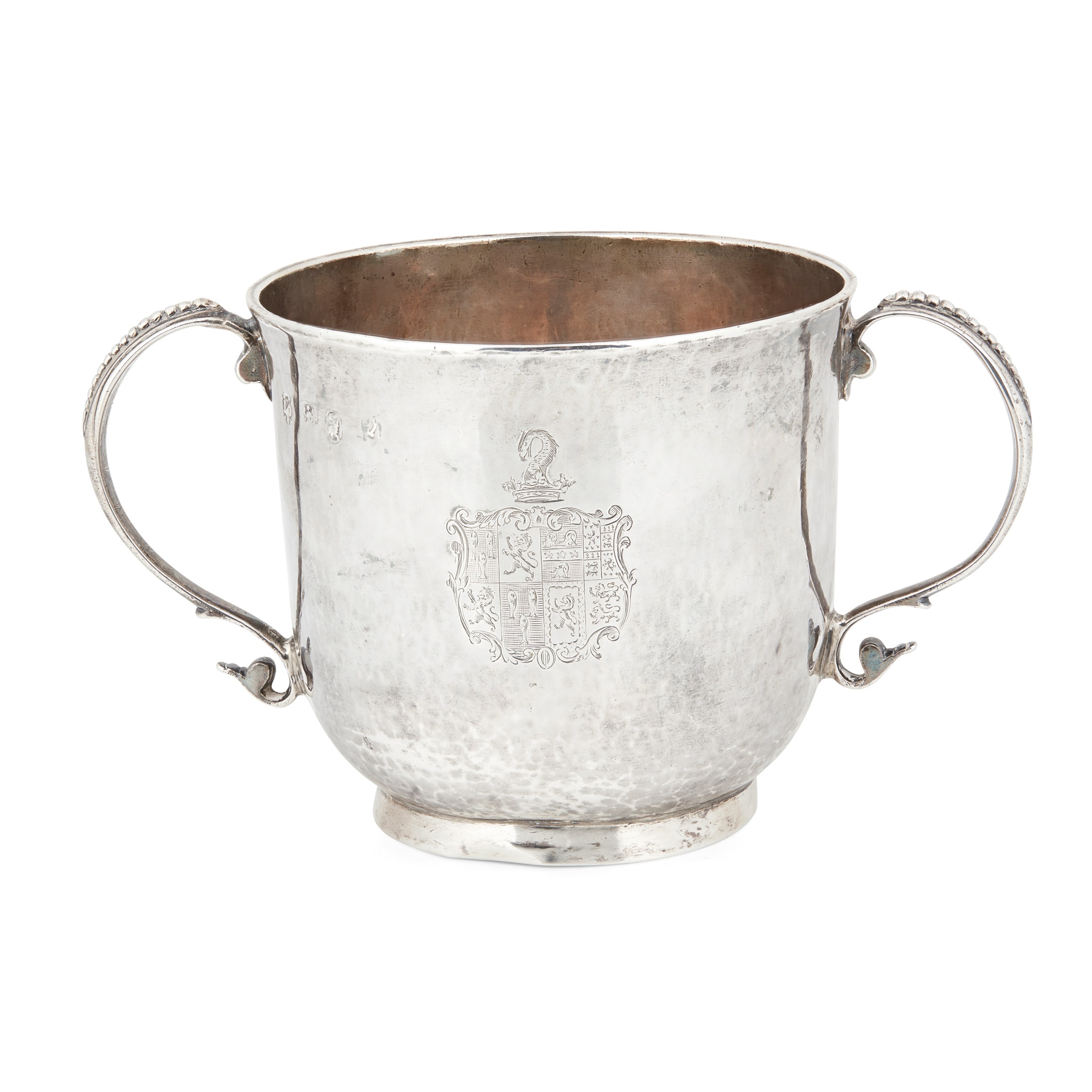
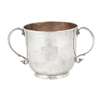
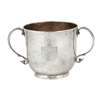
A Queen Anne Britannia standard porringer
Silver & Objets de Vertu | 728
Auction: 7 March 2023 at 10:00 GMT
Description
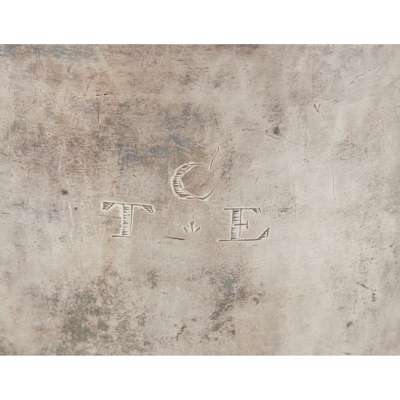
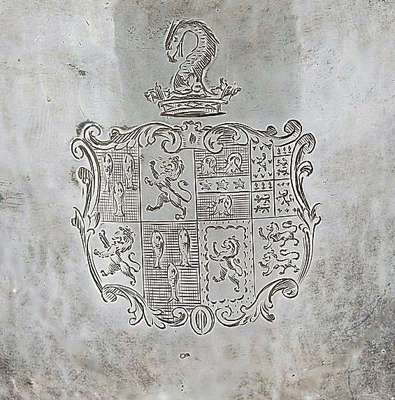
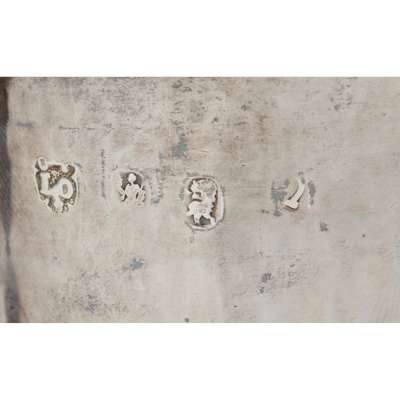
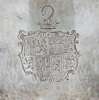
Nathaniel Lock, London 1708, of traditional form, the S-scroll handles with beaded decoration, engraved armorials to one side of body, prick engraved C/T.E to the other side, raised on a circular foot
Dimensions
Height: 10.5cm, weight: 9.5oz
Footnote
Note:
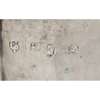
See Grimwade - London Goldsmith's 1697-1837, 3rd edition p.142, mark 1948 for the attribution.
Note:
Britannia silver existed as the United Kingdom's purity standard for wrought silver items from 1697 to 1720. The result of a silver shortage at the end of the seventeenth century, individuals across the nation were clipping the edges of silver coins already in circulation and melting them down to create various types of silver objects. These objects were highly lucrative because of the nation's limited silver supply, but the government was challenged to find a solution to this widespread act of treason. In order to put an end to coin clipping, parliament passed a law that raised the legal standard of wrought silver items up to 95.84%, this became known as Britannia silver.
Britannia silver was marked with the image of Britannia, seated, thus replacing the symbol of Sterling silver, the Lion Passant. This purity increase allowed for silver goods from the United Kingdom to be exported to France, as the French government had historically adopted a higher standard of silver that former British silver works did not adhere to.
That being said, Britannia silver was immediately unpopular with silversmiths because it was a more expensive raw material and the increased purity made the pieces softer and, as a result, less durable. Silver tradesmen pressured parliament to pass a bill restoring the former Sterling Silver Standard, and by 1720 Sterling silver was once again the minimum standard for wrought silver items in the United Kingdom. Britannia was left as an optional higher standard.